
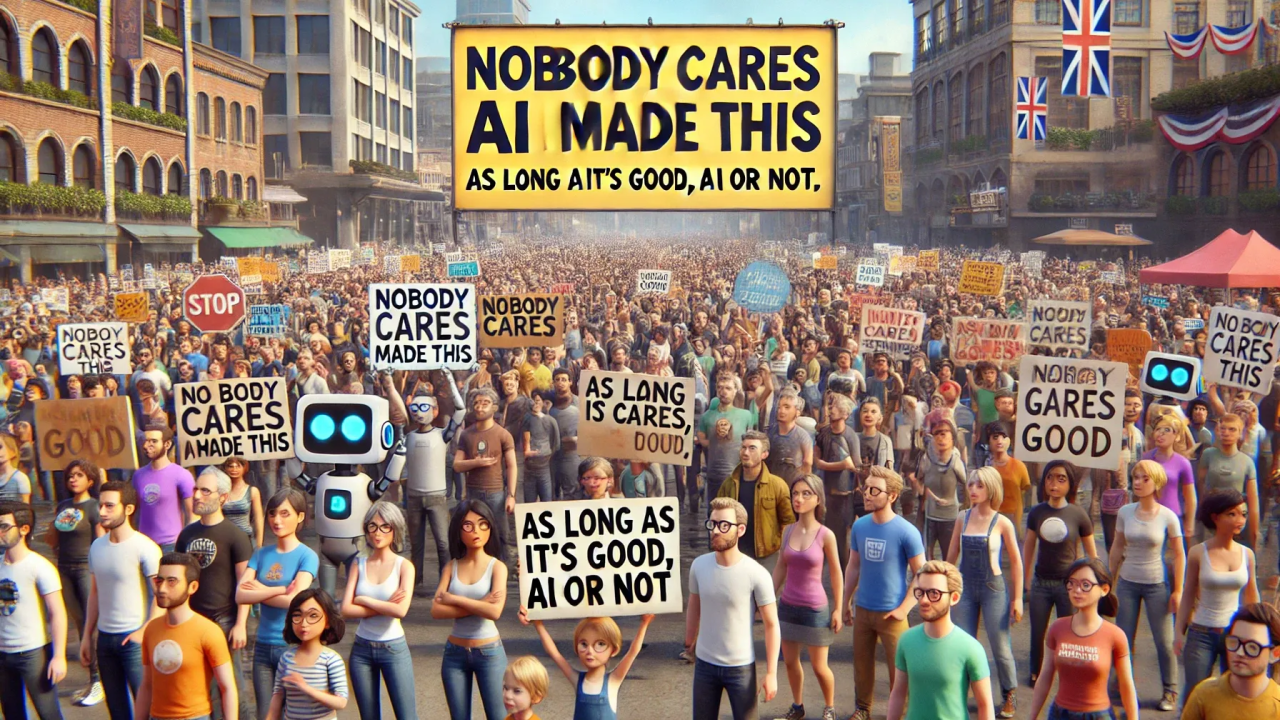
AI is shaking the creative industry in many ways. One of them is that generative AI-based tools find more and more usage in creative content/ad production. The reason is clear and obvious: to cut the costs of expensive shootings and productions. But is the output any good, and if so, does the consumer care about it? This is a very interesting question, and if you are active on LinkedIn and, like me, in an advertising/marketing bubble, the reactions that I experienced were overwhelmingly negative. This is what ad land thinks about AI ads – but what does the actual customer think about it?
Discussions on AI generated ads went wild in the recent time because many brands are bringing Christmas spots and some of them are purely or partly generated with AI. A recent example comes from McDonalds in the Netherland that had this ad crafted by the local TBWA branch:
The reactions were here as well overly bad, and the company finally had to react and pulled back on the spot and set it private on YouTube. When you watch the spot you can easily see weird movements, unrealistic physics and other glitches that are typical gen AI problems – but also not impossible to solve with advanced prompting techniques. The overall idea of the a-typical Christmas spot was received quite OK-isch but more art and craft focused media really didn’t have to say much positive about the ad:
The original AI gen ad shitstorm is back as well
Exactly one year ago the well know “holidays are coming” clip from Coca Cola was generated by AI the first ever time and the reactions were of course very very controversial: the advertising industry was all over “how dare you to du this” but when you put an closer ear to the customer itself you got more or less the feedback “we don’t care if AI generated it”
This year a new Christmas spot following the old and long lasting traditions of the brand was released – and again the spot was generated by AI.
Here is a snapshot of articles and opinions from industry media:
https://80.lv/articles/coca-cola-gets-truckloads-of-backlash-over-its-ai-generated-christmas-ad
https://www.businessinsider.com/coca-cola-ai-holiday-ad-glitches-highlight-ai-shortcomings-2025-11
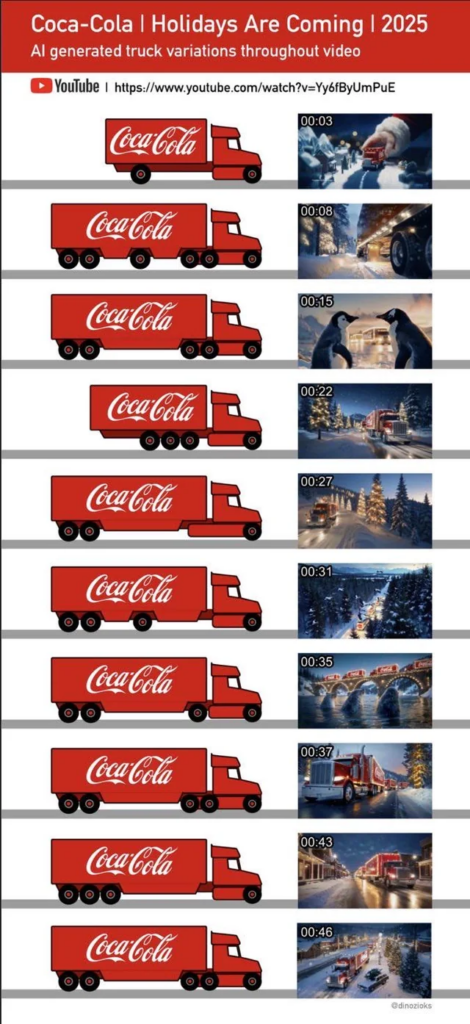
Very funny is also this analysis how the actual Coca Cola truck look changes over the scenes. I mean, in order to see ALL the differences here, you have to comprehensibly release your inner Monk to notice all this – but enviously some people do.
Despite all the negative feedback from industry insiders, the 2024 Coca Cola Christmas ad tested exceptionally well and was with the best holiday ads of the year, predicting huge long-term effectiveness.
Local AI vibes from Austria
I also picked up an example from my very own market Austria. This spot is from a D2C groceries delivery company named gurkerl and would like to be this typical emotional, heart-warming Christmas spot telling a emotional story about belonging, coming together etc. – classic Christmas add stuff.
After watching the spot I think I don’t need to speak about the reception of this piece of creative irrelevancy. The spot is simple really really bad and the gap to the two previous shown AI generated spots is huuuuge. There was also big discussion in industry media as the company behind it also surprised with openness towards budget and claimed that this spot only cost 400€ (!!!!!) do make.
What do the people really think?
Putting all the drama from adland and their people aside for the moment, the really crucial question brands have to ask themselves is: what does the customer actually think about it. And the answer is not what adland probably want the answer to be:
I’ll tell it straight: consumers can’t tell if something’s made with AI until prompted.
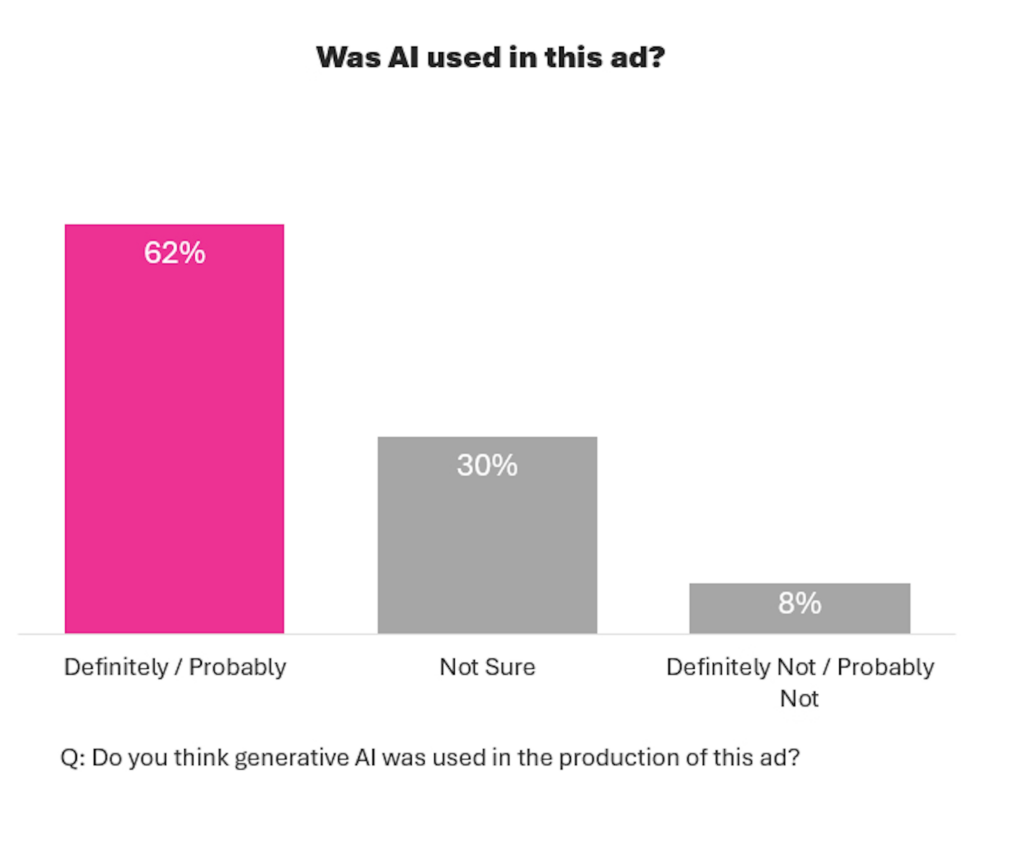
Only 24% of viewers described any ad as “digitally enhanced.” Most said they looked “like a typical, professionally produced ad.”
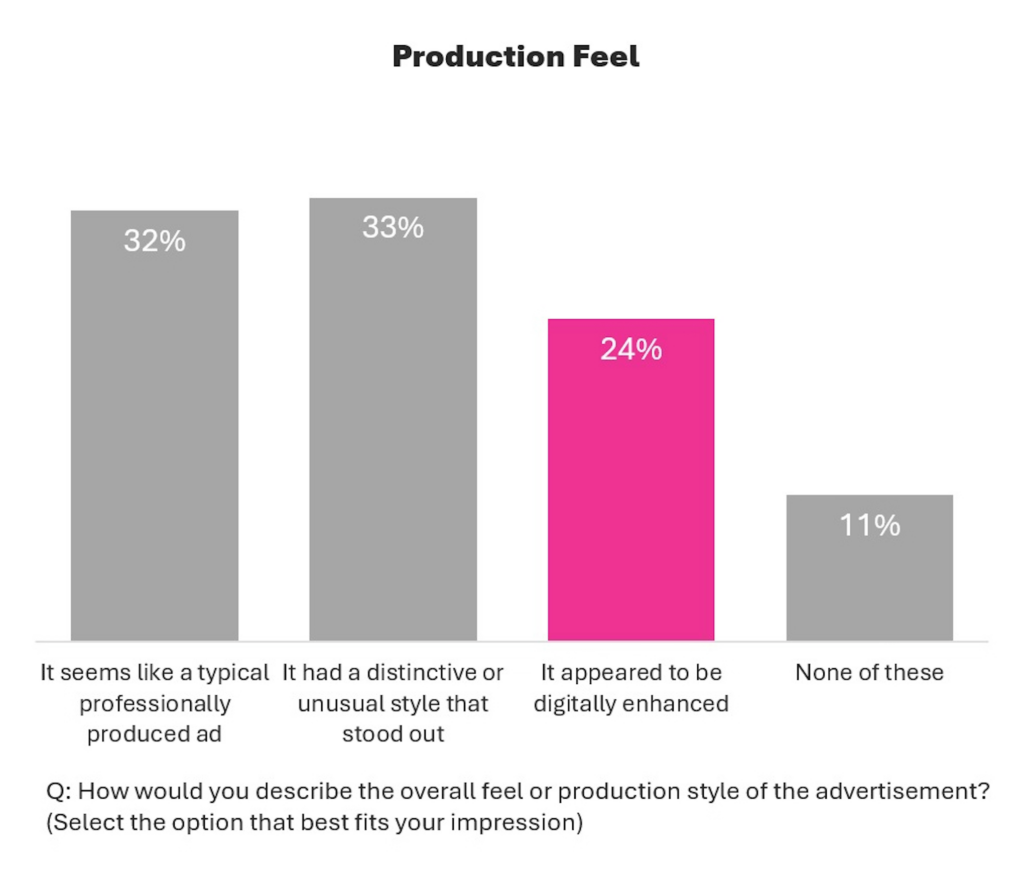
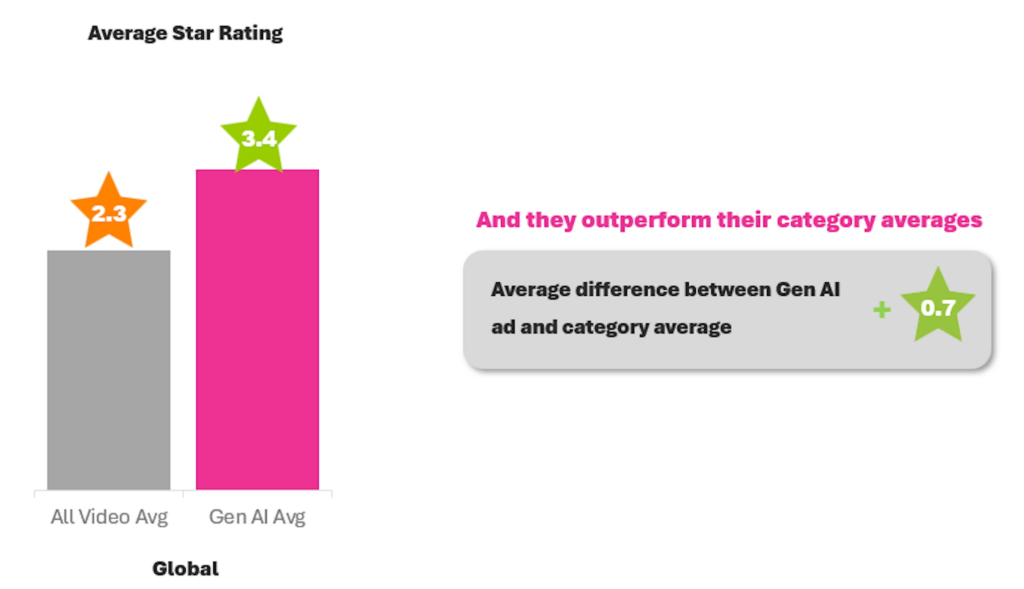
This is the magical part: the ads people specifically called out for being more likely to be produced by AI actually created significantly more emotion. And the more people didn’t think AI was involved, the lower the Star Rating.
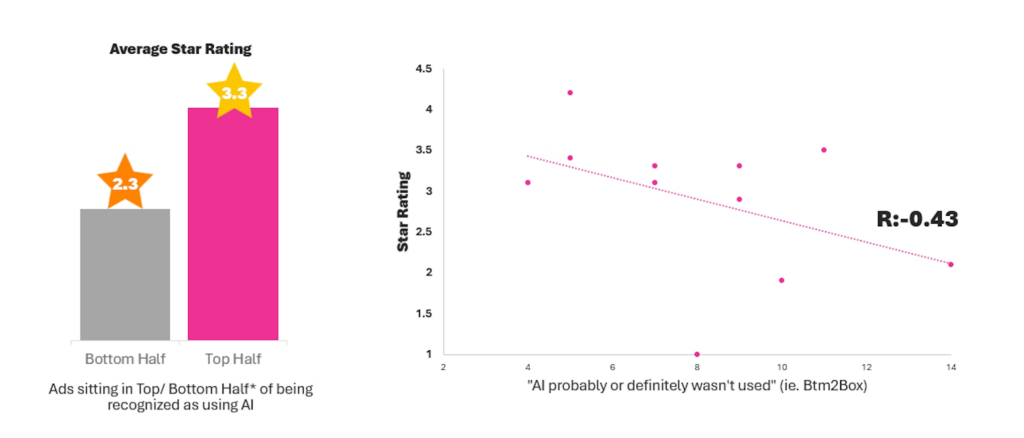
People will rationally tell you they hate the use of AI in ads but when you look at their emotional response, that’s just not the case. The fear that audiences will “reject” AI advertising isn’t supported by this data.
Another test on the topic was put together recently by Kantar and reported:
The big takeaway of our study was that there is currently little correlation between the use of gen AI and effectiveness.
On the flip side, ads with flashy or weird visuals, especially those that are clearly using AI, had a hard time performing well. So, while AI can help create some amazing stuff, it can also lead to big flop moments. It’s really about how you use generative AI, not just that you’re using it.
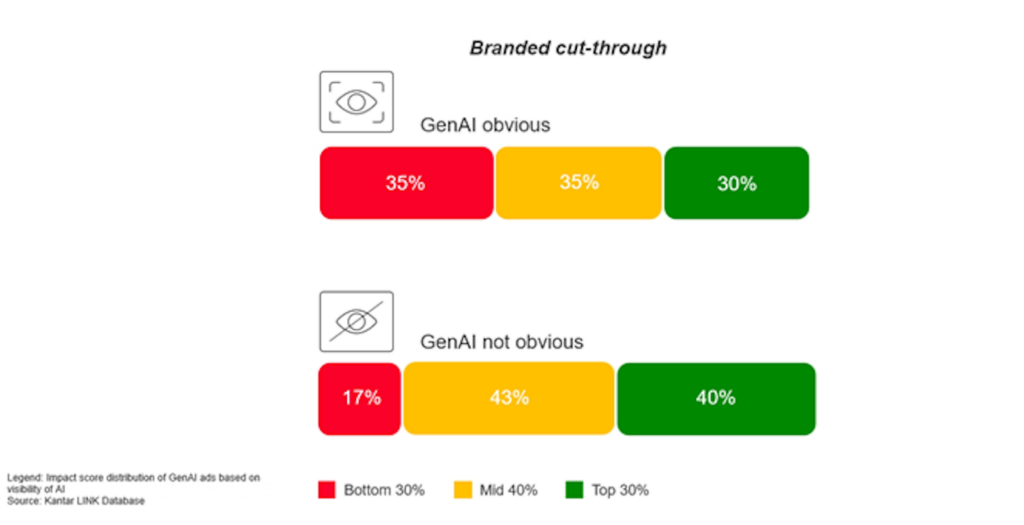
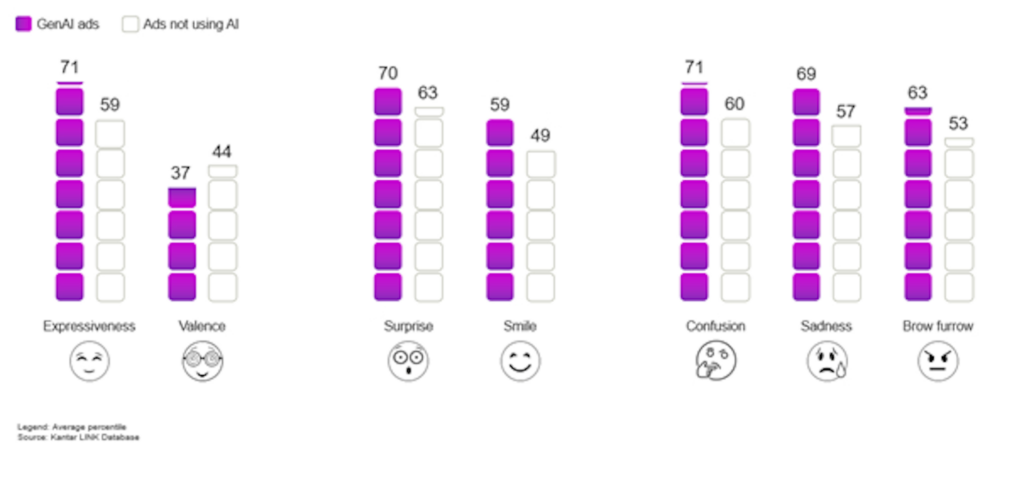
The research looked into how people really feel (rather than just what they say) about Gen AI ads by checking out their facial expressions. This method measures emotions and attention by using AI to analyze the tiny details of their faces. What was discovered is that folks have pretty strong feelings about Gen AI ads, both good and bad. But in general, it seems like the reactions lean more towards the negative side, like confusion or sadness.
One aspect that also System1 and Andrew Tindal pointed out, is that AI generated ads mostly perform force when it comes to branding and brand associations.
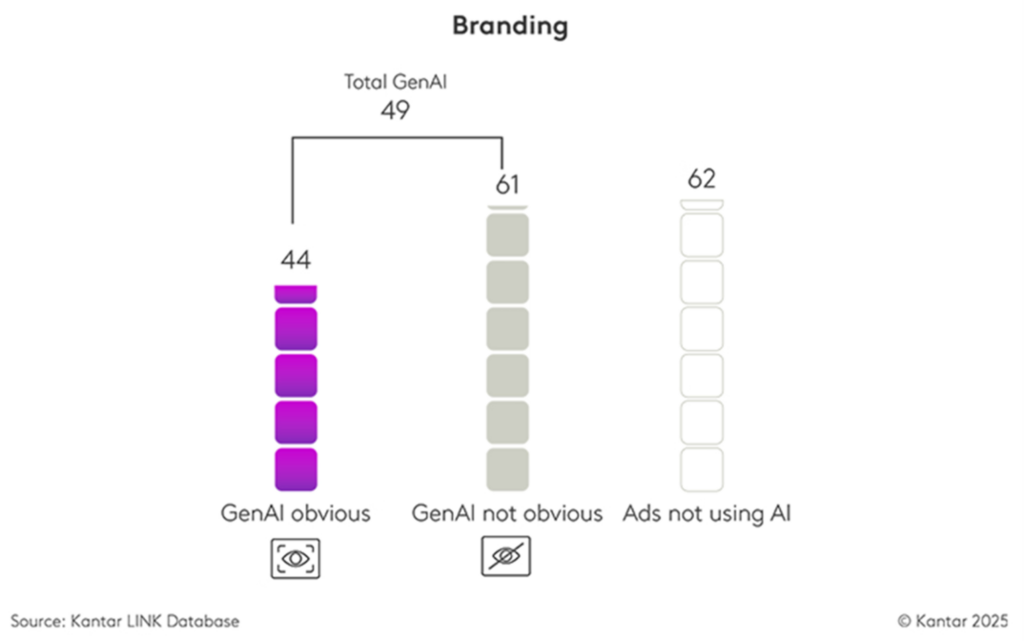
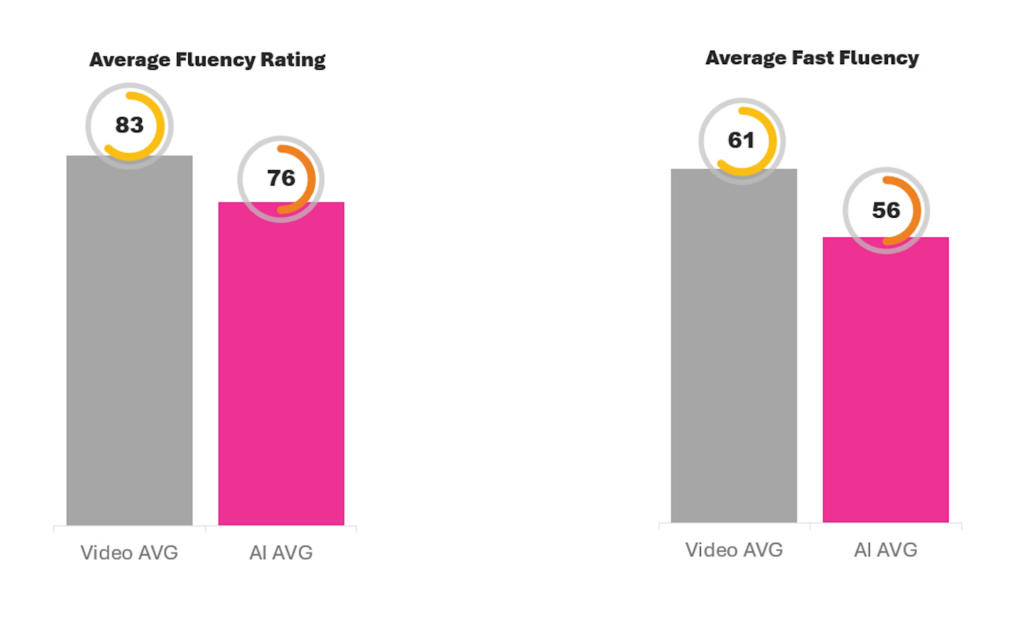
So this seems to really be an aspect that folks and agencies that are utilizing generative AI to cerate ads will have to consider in the future. And by branding not a permanent visible brand logo in the bottom right corner is meant, but real distinctive brand assets that are weaved in a natural and not artificial way in to the narrative of the spot.
Leave a Reply